

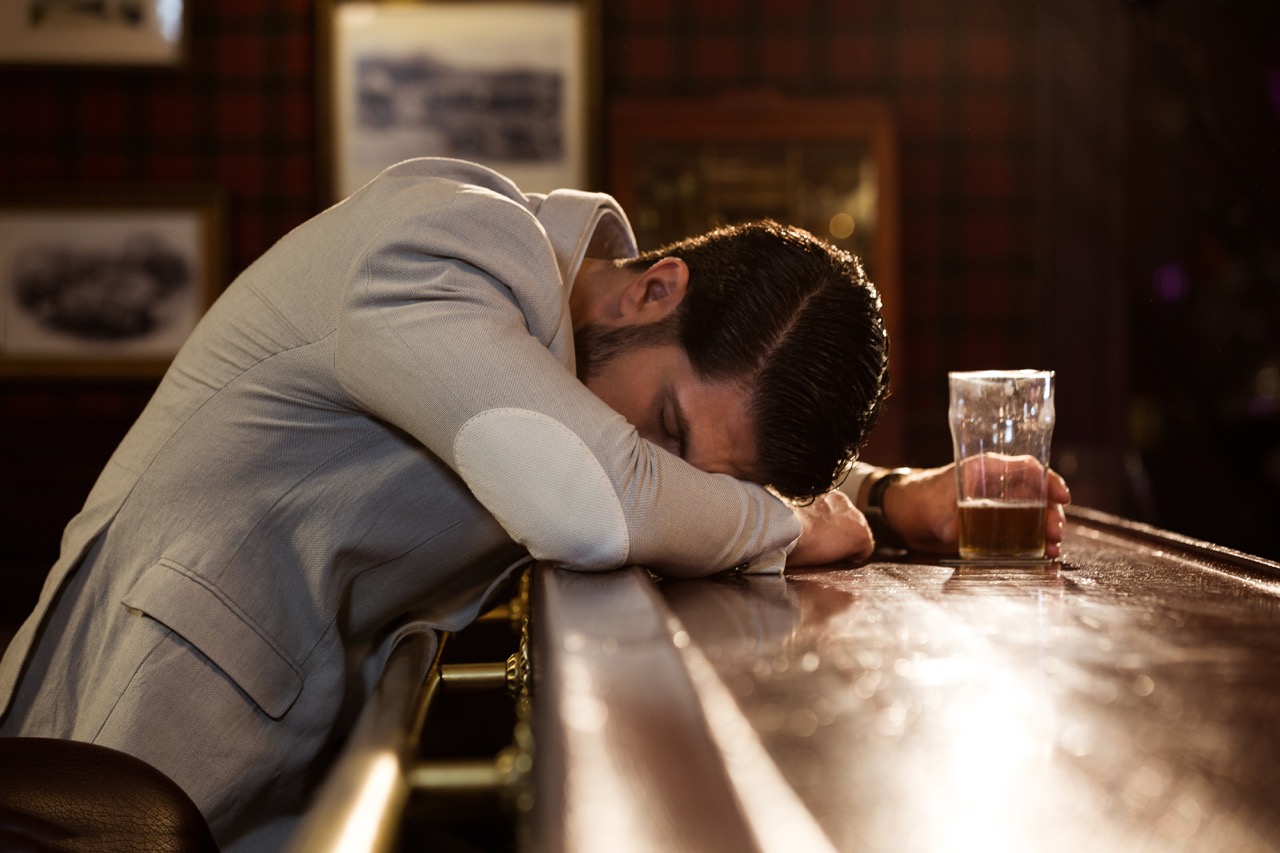
The Portland metro area has many establishments, such as bars and restaurants, that serve alcohol to their customers. But what happens when an establishment overserves its customer, who then leaves and causes an accident?
Oregon has strict “dram shop liability laws” meant to protect Oregon citizens who intoxicated drivers have injured. Although dram shop laws are meant to protect Oregon citizens, they can be challenging to navigate without legal assistance.
If you or a loved one has suffered injuries in an accident, understanding the state’s laws is essential so you can understand your rights and available legal options.
What Is Dram Shop Liability?
Oregon enforces dram shop liability laws that allow victims to pursue claims against bars, restaurants, clubs, and other venues that overserve customers who later cause injuries. The term “dram shop” refers to the 18th-century establishments that sold customers gin by the dram.
Dram shop laws are a secondary avenue of liability that victims can pursue aside from the intoxicated individual who caused their injuries. Dram shop laws play a key role by allowing injury victims to seek compensation from alcohol-serving establishments that overserved the person responsible for their injuries. These laws provide an additional option for seeking compensation when the at-fault individual may not have enough insurance coverage or personal assets to cover the damages. In most instances, commercial liability policies typically have higher limits, some up to $1M+ compared to personal auto insurance, making for a more substantial recovery.
How Oregon’s Dram Shop Law Works
Under Oregon’s Dram Shop Act (ORS 471.565), an establishment that serves alcohol may be held liable for injuries caused by a patron who shows clear signs of intoxication.
Two key requirements must be met: the establishment served the individual, and the patron was “visibly intoxicated” at the time of service. Per Oregon Liquor and Cannabis Commission (OLCC) regulations, servers in commercial establishments must be trained to identify signs of intoxication. In Oregon, the visibly intoxicated standard requires obvious indicators such as slurred speech, inability to walk, or aggressive behavior.
Oregon dram shop laws apply to licensed businesses that serve alcohol, including bars, nightclubs, restaurants, event venues with liquor licenses, and catering companies. Dram shop laws generally do not apply to social hosts in most circumstances; instead, they primarily focus on commercial vendors.
Who Can File a Dram Shop Claim in Oregon?
Dram shop laws allow third-party victims who an intoxicated person has injured to file claims to try to recover damages. Common examples include car accident victims, assault victims, and pedestrians. State law generally prohibits the intoxicated individual from suing an establishment, as dram shop laws are meant to protect third-party victims.
In cases involving wrongful death, surviving family members can file a claim if the intoxicated person caused a fatal accident.
In cases involving multiple defendants, the drunk driver and the establishment may both be named in a lawsuit. Due to the legal complexities involved with pursuing claims, hiring a Portland dram shop attorney is the most effective way to protect your rights. Dram shop liability is one form of negligence per se under Oregon law, which can make it easier to prove your case.
Proving a Dram Shop Claim in Oregon
Proving a dram shop claim involves several legal steps. The initial step is to establish that the at- fault party was visibly intoxicated. Some methods for determining this essential legal criterion include:
- Obtaining surveillance footage
- Server testimony
- Witness testimony from other patrons
- Receipts or tabs showing the quantity of alcohol consumed
Expert testimony can also play a significant role in the case. Toxicologists can estimate the individual’s BAC at the time they were served based on body weight, drinks consumed, and the timeframe in which the event occurred.
Other actions include:
- Reviewing OLCC records for prior violations
- Complaints regarding the establishment
- Server training records meant to ensure compliance
Police reports can also shed light on other factors involved in the accident and on any statements the intoxicated individual may have made.
It is worth noting that Oregon’s comparative negligence law (ORS 31.600) may apply if the victim contributed to their injuries.
Damages Available in Dram Shop Cases
No matter what factors led to your accident, you most likely have been dealing with unexpected medical bills and lost wages if you are unable to return to work. Dram shop cases often involve victims suffering severe injuries, frequently due to high-speed drunk driving accidents.
Some of the most commonly awarded damages available in dram shop cases include:
- Medical expenses
- Lost wages
- Pain and suffering
Not sure what your claim might be worth? See how we calculate the value of a personal injury case in Oregon.
Unlike some other states, Oregon does not cap non-economic damages such as emotional distress or permanent disfigurement and scarring.
Punitive damages may also be available if it can be proven that the establishment engaged in particularly reckless conduct, such as serving an extremely intoxicated person, or that there is a prior history of violations.
Statute of Limitations for Dram Shop Claims in Oregon
ORS 12.110 imposes a two-year statute of limitations for personal injury claims arising from dram shop actions. Even so, OLCC complaint deadlines may vary, so you must report the establishment immediately after the accident. But, under ORS 471.565, anyone who wishes to file a claim must provide the establishment with a formal written notice within 180 days of the incident. Failing to provide the notice can result in a case being dismissed, even if it is filed before the two-year statute of limitations expires.
One of the most essential things to keep in mind is the importance of preserving evidence. Often, surveillance footage, which may demonstrate the at-fault party’s level of intoxication, is overwritten within 30 to 90 days.
Speak with a Portland Dram Shop Attorney Today
Dram shop liability claims can be challenging to navigate on your own. The best legal strategy is to consult with an Oregon bar liability lawyer as soon as possible. An experienced attorney can professionally evaluate your case to determine your next steps. Contact Tillmann Law today at (855) 503-5035 to schedule a free consultation.
